Checklist: Packing a Carry-On for a Weekend City Break in Shoulder Season
A weekend in a city in late April or early October is a gamble between a warm afternoon and a cold, wet morning. That unpredictability is exactly why shoulder season is worth the trip — thinner crowds, softer light, a city that feels like itself again — and exactly why it's the hardest trip to pack for. You have three days, one carry-on, and no intention of queueing at a check-in desk. Here's how to make it work.
Everything below assumes two nights, three days, and a mix of walking, museums, and one dinner you'd like to dress slightly up for. Adjust the quantities, keep the logic.
Start With the Range, Not the Average
Check the forecast a week out, then again 48 hours before you leave. Anything older than three days is a rumour. What matters is not the average temperature but the spread between the morning and the peak of the afternoon. A day that starts at 6°C and reaches 18°C is a layering problem, not a coat problem. Look at wind and rain chance too, because a windy 12°C in a city of stone squares feels nothing like a still 12°C in a park.
Write down three numbers before you open the wardrobe: the coldest morning, the warmest afternoon, and the worst-case rain. That's your brief.
The Three-Layer Rule
One heavy coat gives you one setting: on or off. Three thin layers give you six. That is the whole trick to shoulder-season packing.
What each layer does
- Base layer — a merino t-shirt or a light technical top. It manages sweat, doesn't hold odour, and can be worn twice between washes.
- Mid layer — a fine-knit jumper, cashmere if you have it, or a thin fleece. This is the layer you peel off at lunch and pull back on at six.
- Shell — a packable rain jacket with a hood that folds into its own pocket. It blocks wind, which does more for warmth than bulk does.
Add a scarf or a large square of fabric. Wrap it around your neck on a cold morning, drape it over your shoulders in a chilly restaurant, roll it into a pillow on the train. It's the best warmth per gram in your bag.
Your Carry-On Packing List
This is for two nights. It fits in a 40-litre bag with room left for a paperback.
Clothing
- Two base layers — one short-sleeved, one long-sleeved
- One mid layer — a fine knit or light fleece
- One packable rain shell with a hood
- One pair of dark jeans or chinos; one pair of smarter trousers or a dress
- Three pairs of underwear and three pairs of socks, merino if you have them
- One dinner outfit that works with the shoes you're already bringing
- Sleepwear: a t-shirt and light shorts is plenty in a hotel room
Shoes
Two pairs maximum, and one of them on your feet. A broken-in pair of walking shoes handles cobbles, museums and long days; a flat, low-profile pair covers dinner and anywhere with a dress code. Leave behind the heels you haven't worn for a mile.
Toiletries and the small things
- Liquids decanted into 100 ml containers, inside one clear bag
- Solid deodorant, a sunscreen stick, and a lip balm
- A tiny pharmacy kit: painkillers, blister plasters, antihistamine, and any prescription medicine in its original packaging
- Phone charger, power bank, and a plug adapter if you're crossing borders
- A refillable water bottle and a folding tote for groceries or wet layers
A word on medication: keep it in your personal item rather than the overhead bin, and check your airline's rules before you fly. For anything medical, ask a pharmacist or doctor rather than a packing list.
Build a Capsule in Two Colours
Pick one neutral — navy, charcoal, black, olive — and one accent that plays nicely with it. Every top must work with every bottom, and every bottom with both pairs of shoes. If a garment only works in one combination, it stays home. This sounds restrictive and isn't: four tops and two bottoms give you eight outfits, and nobody you meet over a weekend will notice the repeat.
Pack the Bag Like You Mean It
- Use three packing cubes: tops, bottoms, smalls. It stops the bag exploding in a hotel room smaller than your hallway.
- Roll soft items, fold structured ones. Rolled knitwear springs back with fewer creases than folded.
- For a roller bag, put the heaviest items near the wheel end so it stands up and rolls straight. For a backpack, keep weight in the centre, against your back.
- Wear the bulkiest things on the plane — walking shoes, jeans, the mid layer. It's free space.
- Leave roughly a tenth of the bag empty. You will buy something.
- Check your airline's carry-on dimensions before you pack, not at the gate. They differ more than you'd expect, and budget carriers measure.
On travel day, layer up: base layer, jumper, and the shell over your arm or in the tote. Keep liquids at the top of your personal item so you aren't excavating in the security queue, and keep your charger and a thin scarf within reach. Planes run cold, and the walk from the airport is not the moment to discover you left your jumper in the overhead bin.
The Night-Before Five-Minute Check
Walk through the trip in your head, hour by hour: the walk from the station, the museum, the rainy afternoon, dinner, the cold hotel room, the flight home. Anything you can't picture wearing or using comes out. Then run the short list: ID or passport, booking confirmation, chargers, medication, one layer you can add, and a plan for the weather you'll actually get rather than the weather you hoped for.
Zip the bag with one hand. If it won't close easily, you've packed for a trip you aren't taking. Take out a jumper and go.
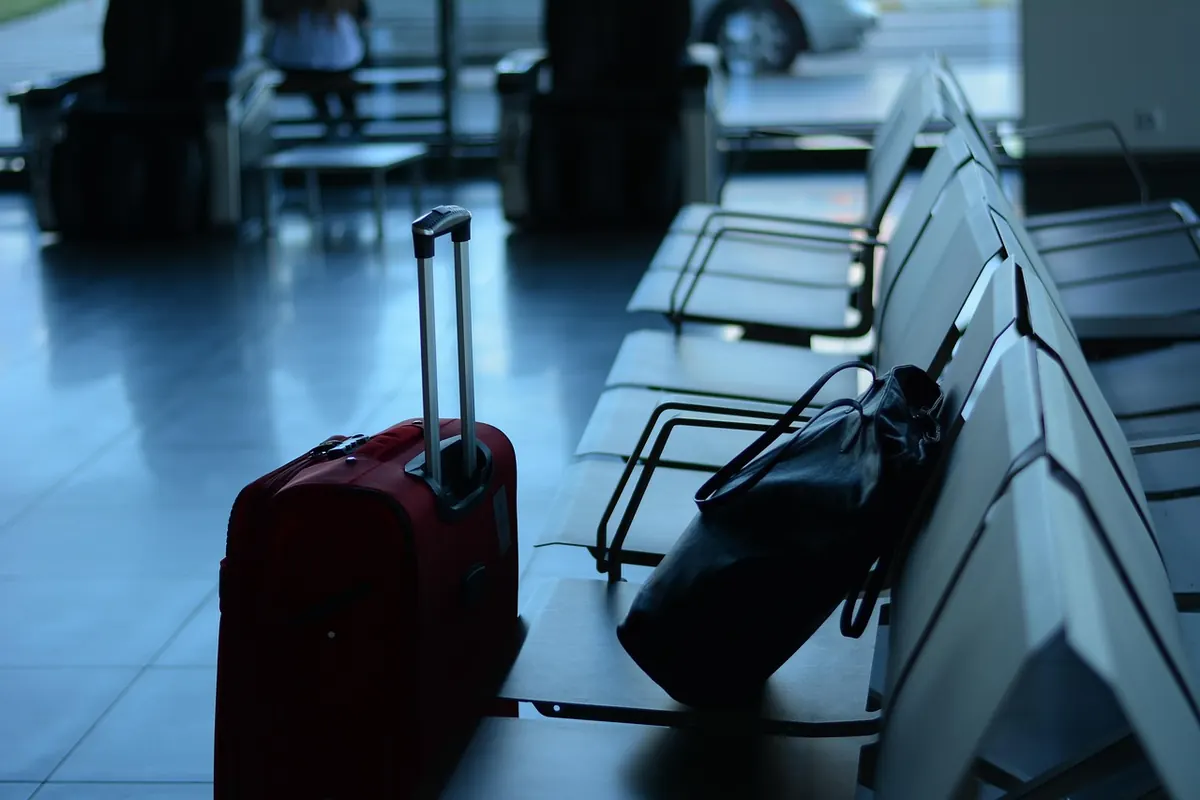
Photo: StelaDi / Pixabay

Beginner's Guide to Slow Travel in Small Coastal Towns
A practical guide to slow travel in small coastal towns: how to choose a base, stay longer, spend locally,...
Common Mistakes When Starting a Raised Bed Vegetable Garden
Raised beds make vegetable gardening easier, but a few early missteps — bad soil, too little sun, cramped...
About Us