Seasonal Guide: What to Plant in a Balcony Garden Each Month
A balcony is a garden with strict rules: shallow root space, more wind, and sun that arrives from one direction only. Learn those rules and you can cut basil in July, pick salad leaves in November, and watch tulips open beside the railing in April.
The calendar below is written for a temperate climate in the northern hemisphere. If your area runs cold or mild, shift each month by two or three weeks in the direction your weather demands. The point is not the dates on a page; it is knowing what the season is doing to your pots.
Start With Your Balcony, Not the Calendar
Before you buy a single seed packet, spend ten minutes reading the space. Four things matter more than any planting chart.
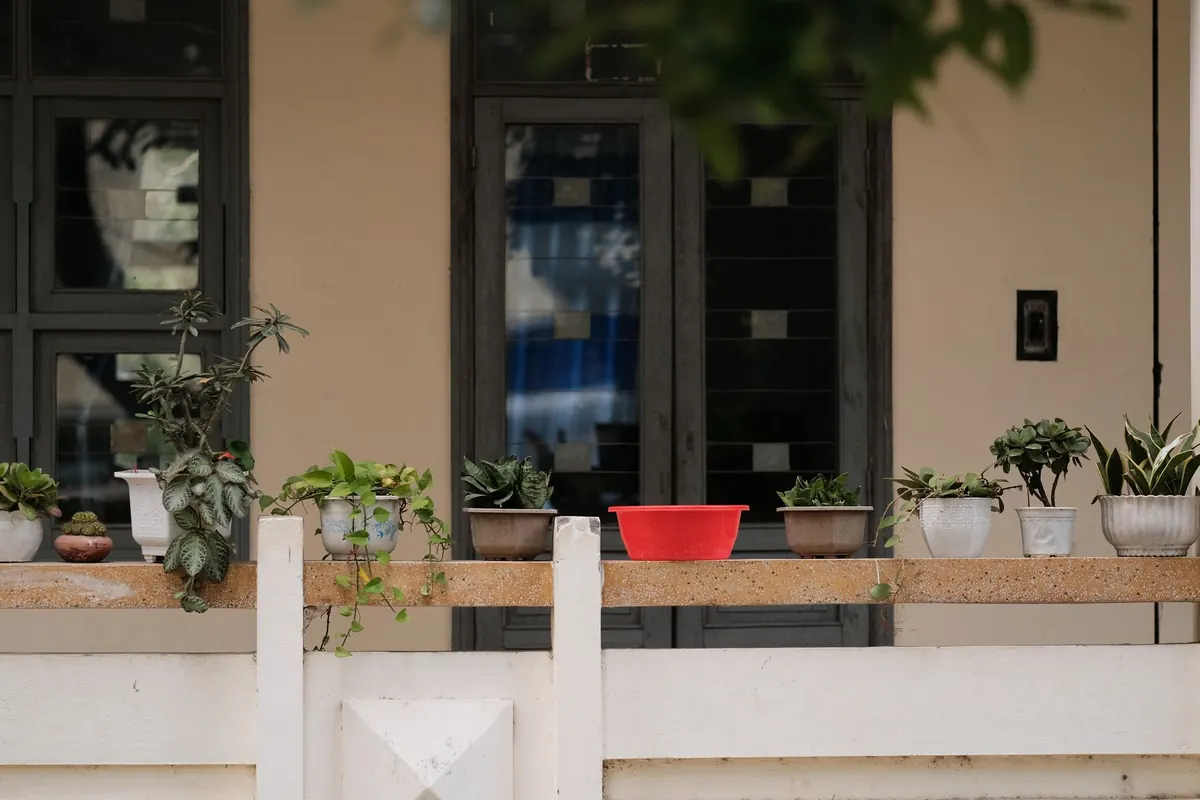
- Which way does it face? A south-facing balcony gets sun most of the day. East brings gentle morning light, west brings fierce afternoon heat, and north stays cool and dim. Match plants to that reality rather than fighting it.
- How hard does the wind blow? Upper floors and corner balconies funnel gusts that snap stems and dry compost out fast. Low, wide pots and sturdy stakes solve most of it.
- How much weight can it take? Wet compost is heavy. Keep large pots near the wall or over a supporting beam, never hung casually from a railing, and check what your building permits.
- Where is the nearest tap? Hauling a watering can through the living room gets old by June. A small can and a bucket kept outside make daily watering realistic.
March to May: The Busy Stretch
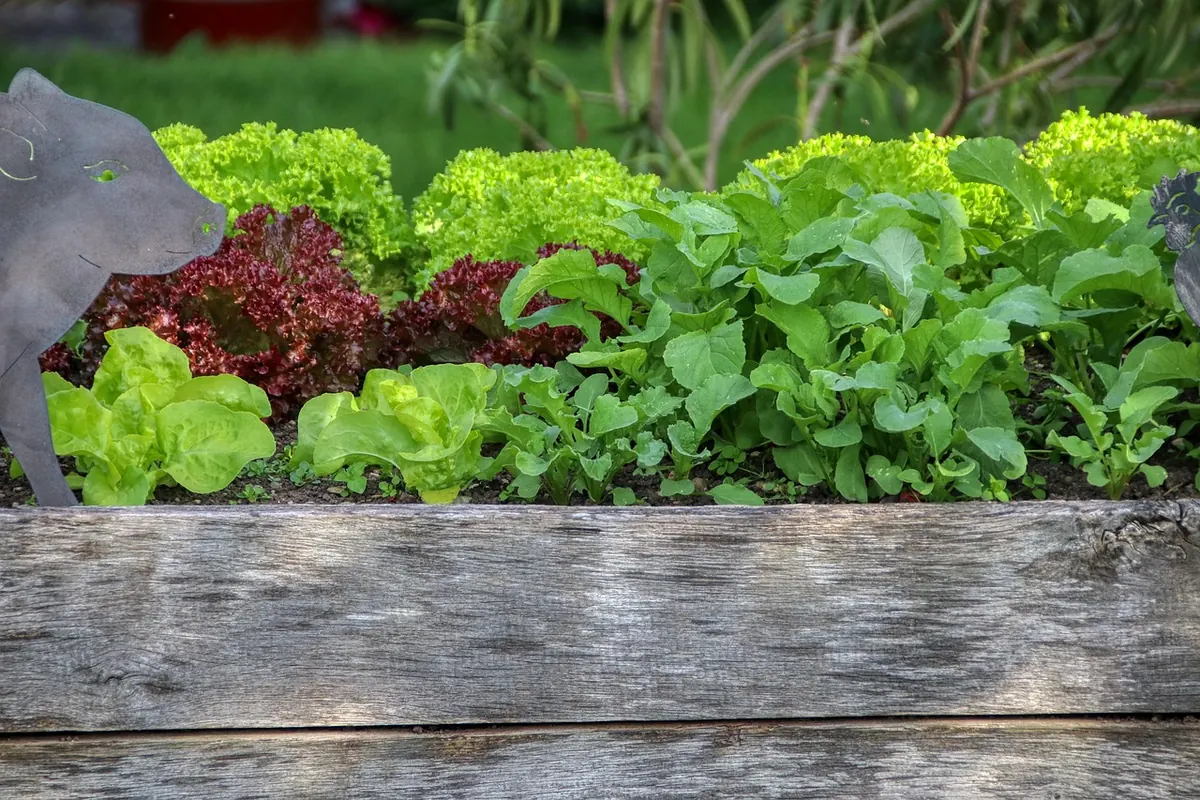
March. Start tomatoes, chillies and peppers indoors on the brightest windowsill you have. Direct-sow rocket, mizuna and cut-and-come-again lettuce in a sheltered pot, plus parsley, coriander and dill. Radish sown now will be ready in about four weeks.
April. Move seedlings to a cold frame or a shaded corner outdoors for a week before planting them out, bringing them in at night — this hardening off prevents shock. Plant hardy herbs outside: thyme, oregano, sage, mint and chives. Sow chard, beetroot, short-rooted carrots, nasturtium and calendula. Keep fleece handy for frosty nights.
May. This is the month the balcony fills up. Once night temperatures reliably stay around 10°C, plant out tomatoes, basil, dwarf French beans, one courgette per 30-litre pot, and flowers such as pelargoniums, petunias and cosmos. Planting a week too early costs more than planting a week late.
June to August: Water, Feed, Repeat
June. Sow salad leaves, radish, basil and coriander in small batches every two to three weeks so you are never facing a glut or a gap. Pinch out tomato side shoots and tie stems to canes before they lean. Check leaf undersides weekly for aphids and whitefly; a sharp jet of water deals with light infestations before they spread.
July. Containers may need water twice a day in a heatwave. Water in the early morning or evening, until it runs from the drainage holes, and mulch the surface with gravel to slow evaporation. Feed tomatoes and flowering plants once a week. Harvest herbs often — regular cutting keeps them bushy instead of woody.
August. Turn your attention forward. Sow spinach, rocket, pak choi and winter lettuce for an autumn crop, and hang bunches of thyme, oregano and rosemary to dry in an airy room. There is still just enough time for another round of radish.
September to November: Planting for Next Year
September. Plant spring bulbs — daffodils, crocus, muscari — in deep pots, setting them at roughly three times their own depth. Sow corn salad and winter purslane, both of which shrug off cold. Lift a few chives, mint or parsley into small pots for the kitchen windowsill.
October. Tulips go in from now until late November, and they prefer it that way. Plant garlic in a deep pot. Bring tender plants such as citrus or pelargoniums indoors before the first cold nights, and start easing back on watering as growth slows.
November. Top-dress pots with gravel to keep compost from souring and to make life harder for slugs. Group pots together against the warmest wall and raise them onto feet so they never sit in frozen water. Any tulips still unplanted should go in now.
December to February: Quiet Work
December. Order seeds, scrub and stack empty pots, and check stored bulbs for mould. Winter interest earns its place now: hellebore, ivy, cyclamen and skimmia all hold a balcony together when everything else is bare. A bird feeder brings movement to a still view.
January. The coldest weeks are about protection rather than production. Insulate pots by wrapping them in bubble wrap or hessian, and keep an eye on evergreens, which lose moisture through their leaves even in cold weather. If you have a bright windowsill, sow onions, chillies and peppers indoors.
February. Sow sweet peas and hardy salads under cover, and set early potatoes to sprout in a cool, bright spot. Prune last year's growth on shrubs and check overwintered herbs for greenfly. The season is turning; the rest of the year is preparation paying off.
Containers: The Basics That Decide Everything
Pot size is the quiet variable behind most balcony failures. A plant in too small a pot dries out, starves and sulks, no matter how well you feed it.
- Salad leaves, radish, herbs: 15 to 20 cm of depth is enough.
- Tomatoes, peppers, courgettes, beans: 25 to 30 cm deep minimum, ideally 20 litres or more per plant.
- Bulbs and garlic: plant at three times the bulb's own depth, in a pot with room below for roots.
Always use pots with drainage holes and a saucer or feet underneath. Fill with a quality potting compost rather than garden soil, which compacts and drains poorly in containers. Water when the top two centimetres feel dry, feed every week or two during the growing season, and replace roughly the top third of the compost each spring to keep it fresh.
Make the Calendar Fit Your Balcony
Keep a notebook or a note on your phone: what you sowed, when it germinated, what the weather did, and which pots produced well. Two seasons of your own records will beat any generic chart, because your balcony has its own microclimate — a warm wall, a wind tunnel, a patch of shade at four in the afternoon.
Start small if you are new to this. Six pots done properly will teach you more than thirty done badly, and there is always next month.
Photo: Pew Nguyen / Pexels

Beginner's Guide to Slow Travel in Small Coastal Towns
A practical guide to slow travel in small coastal towns: how to choose a base, stay longer, spend locally,...

Checklist: Packing a Carry-On for a Weekend City Break in Shoulder Season
A practical carry-on packing list and three-layer strategy for a spring or autumn city break, so you can...
About Us